Graxylonxor

Organic Sentinel Defense System

Advanced natural protocols for protecting your indoor botanical collections. Monitor, identify, and neutralize threats using chemical-free methods.

Initiate Consultation
Indoor plant protection system

Environmental Monitoring Protocols

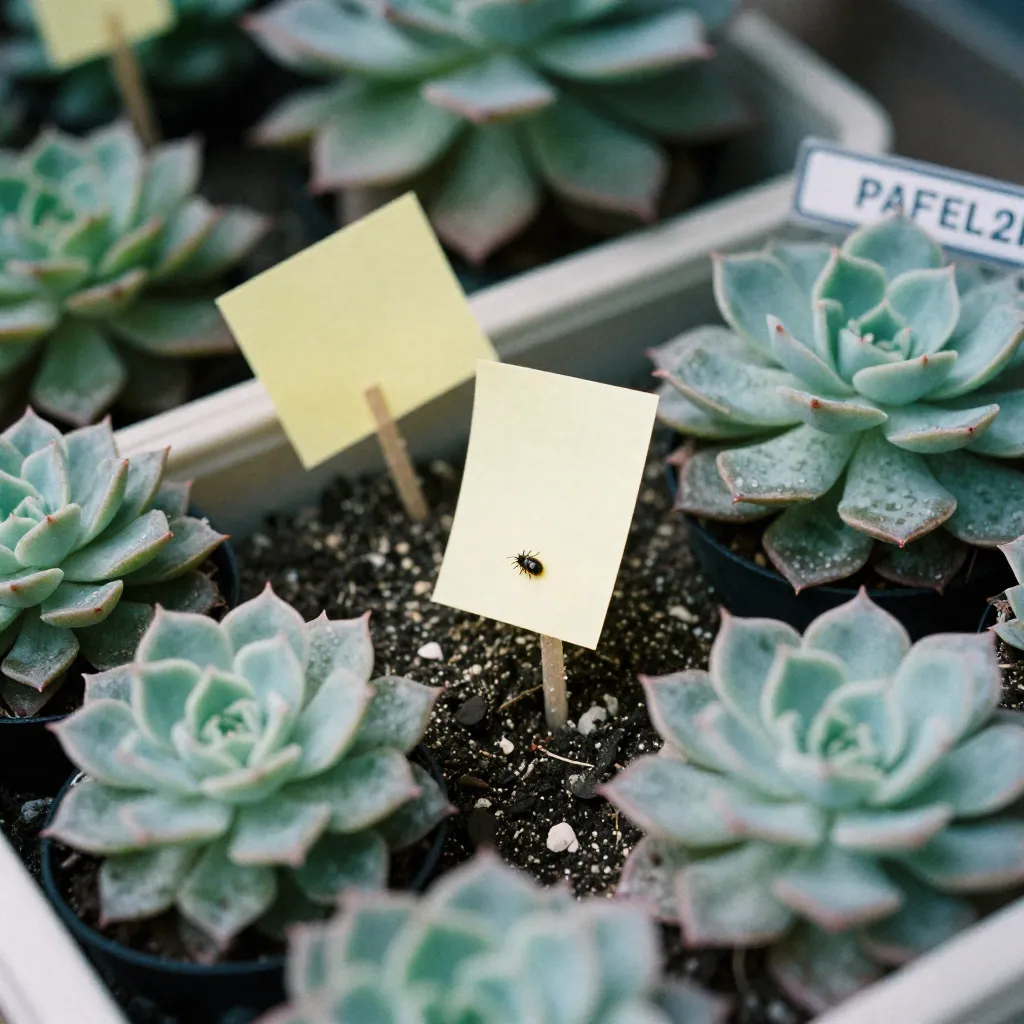
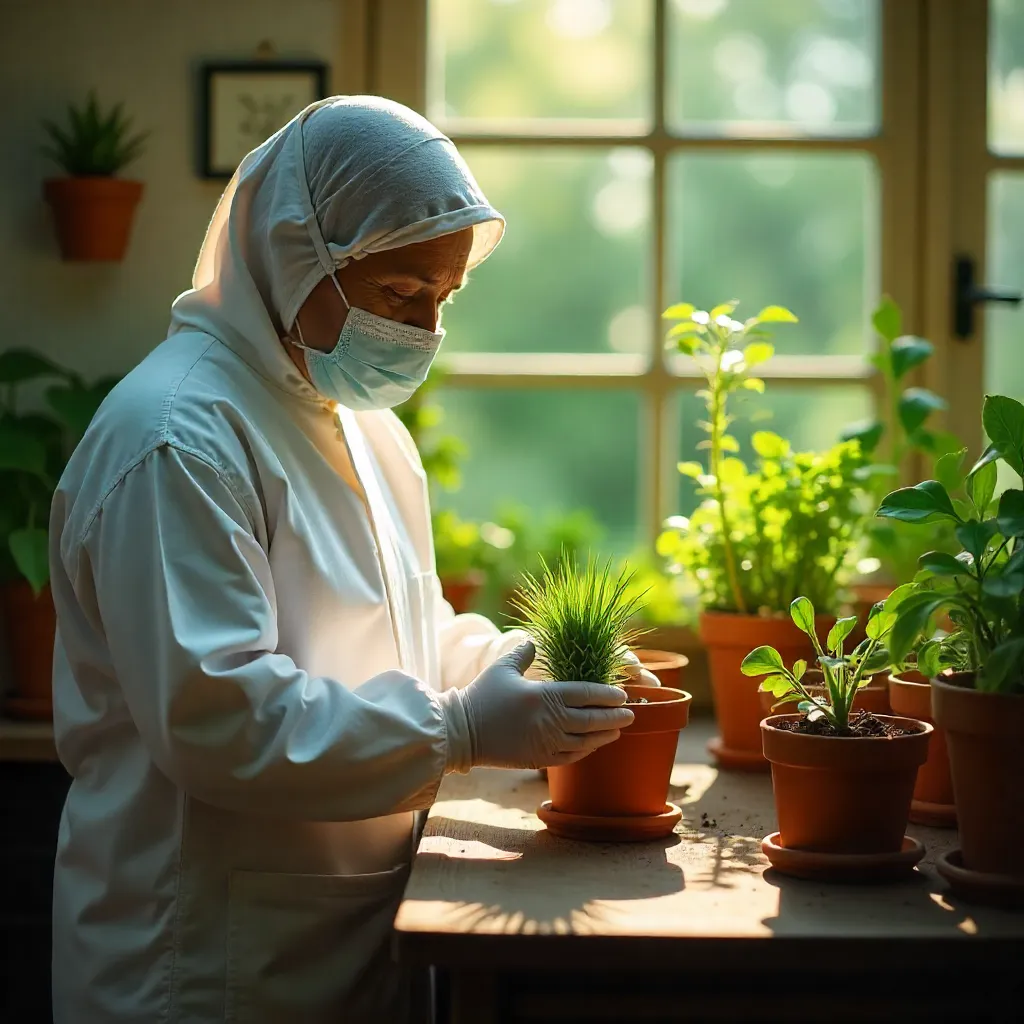
Continuous monitoring of your indoor environment is the foundation of effective pest management. Our system tracks humidity levels, temperature fluctuations, and air circulation patterns that influence pest activity.

By maintaining optimal conditions, you create an environment that naturally discourages common invaders while promoting plant health. Regular assessments help identify potential issues before they escalate.
Environmental monitoring equipment

Threat Identification Database

Pest identification guide

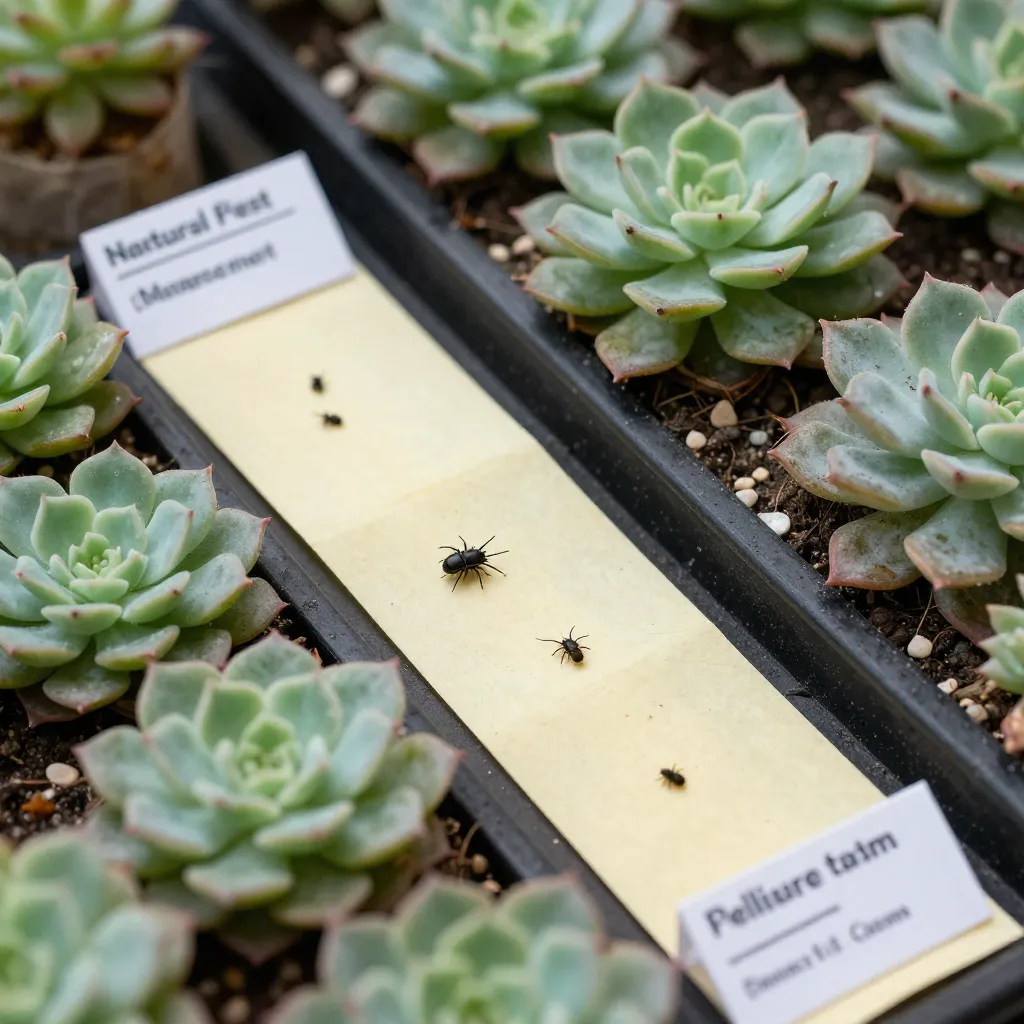
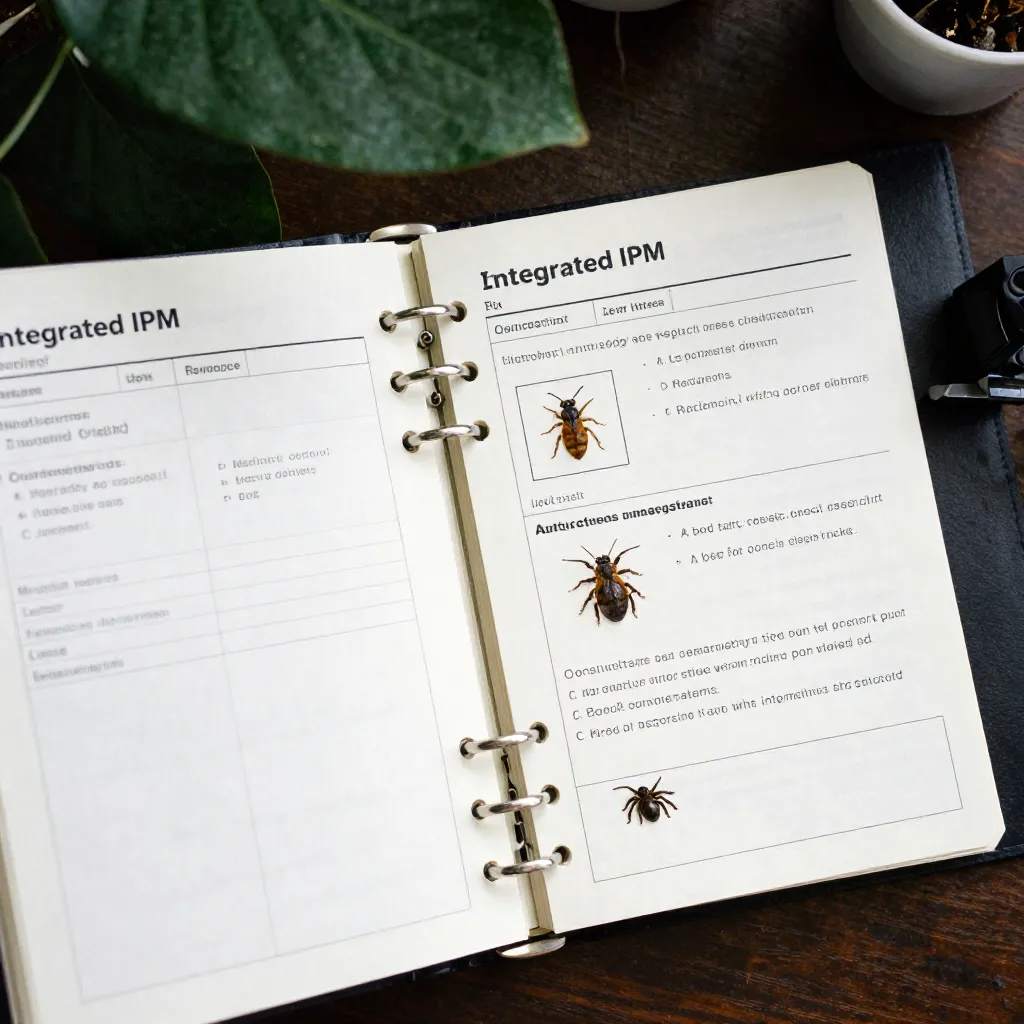
Accurate identification is crucial for selecting appropriate response protocols. Our comprehensive database includes visual references, behavioral patterns, and environmental preferences for common indoor plant pests.

Each entry provides detailed information about life cycles, preferred host plants, and natural vulnerabilities. This knowledge enables targeted interventions that minimize impact on beneficial organisms.

Natural Intervention Methods

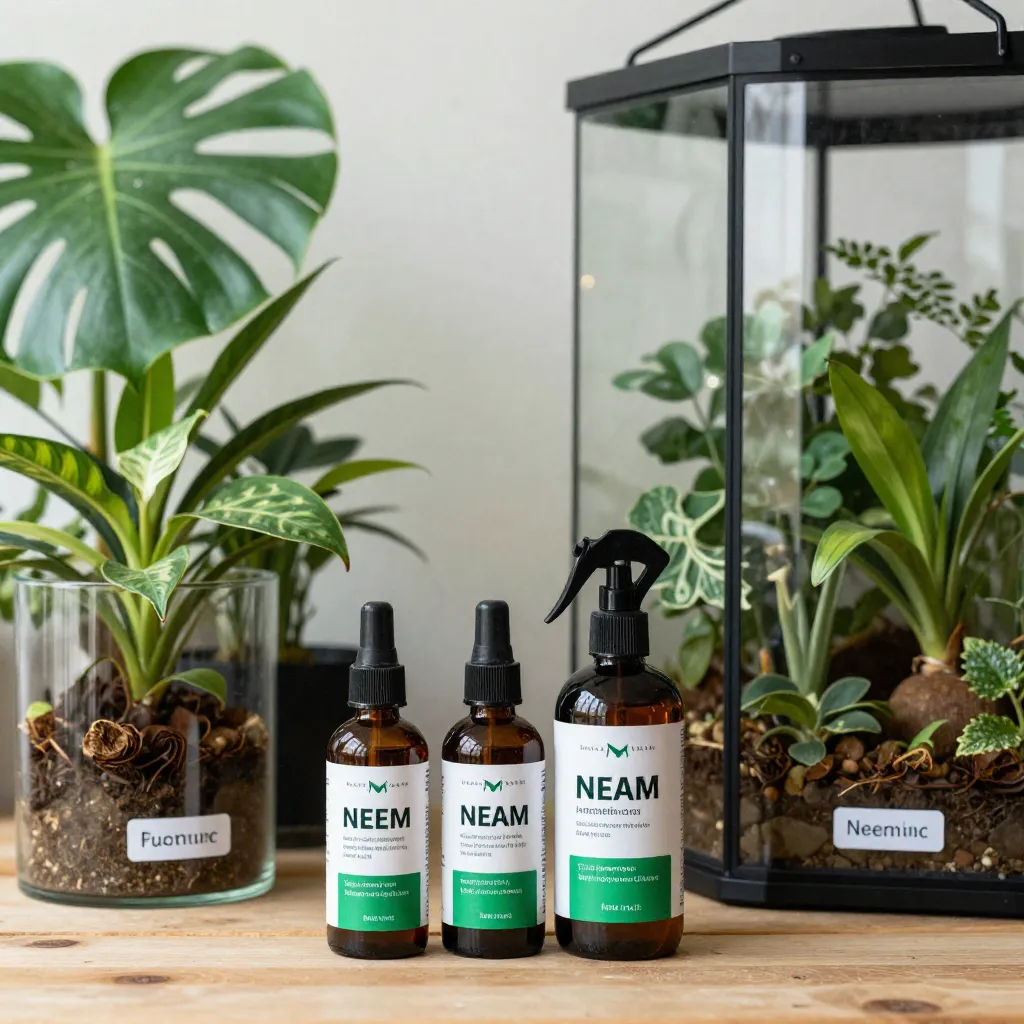
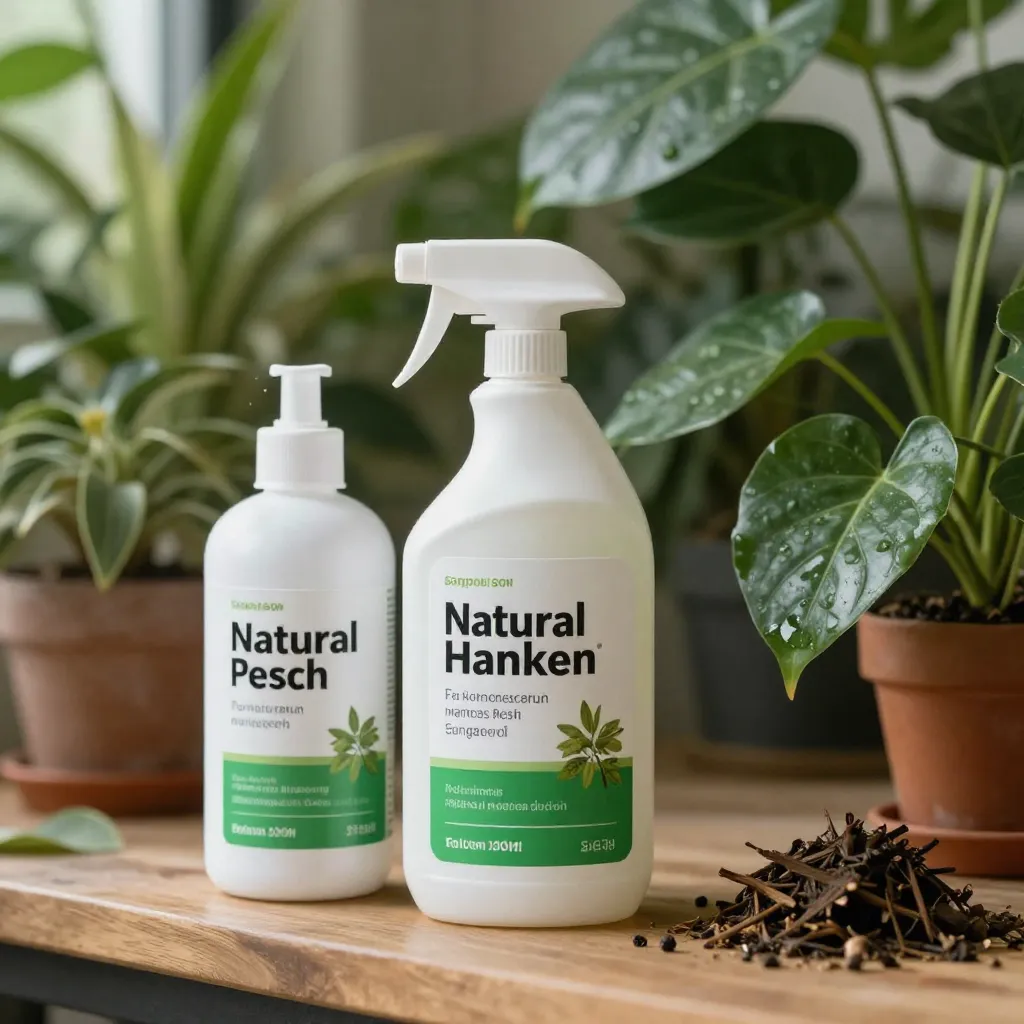
Our intervention protocols utilize plant-derived compounds, beneficial organisms, and physical barriers. These methods work in harmony with your plants' natural defense systems.

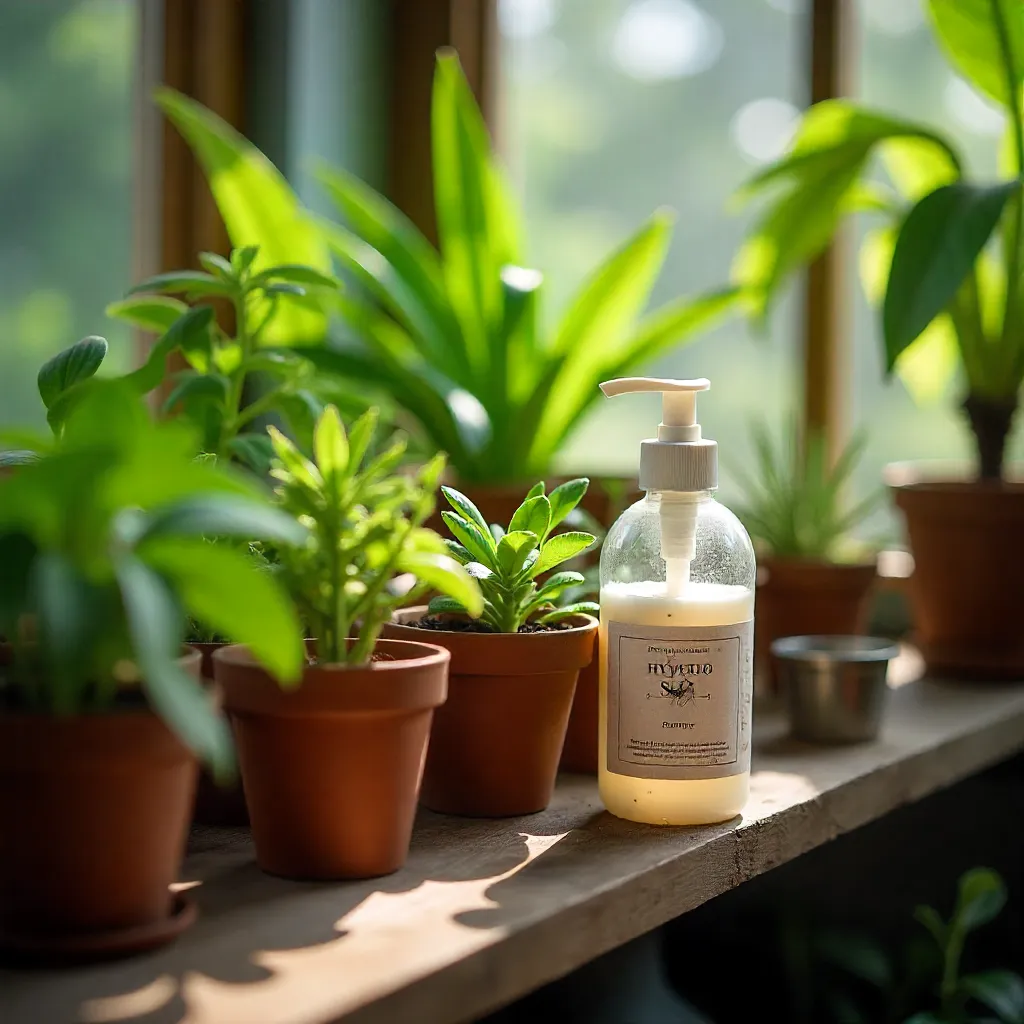
Neem oil emulsions create protective barriers on leaf surfaces. Soap-based solutions disrupt pest cell membranes. Beneficial insects like ladybugs provide ongoing biological control. Each method is selected based on specific threat profiles and plant sensitivity.

Natural pest control solutions

Proactive Defense Strategies

Preventive plant care

Prevention reduces the need for reactive interventions. Strengthening plant immune systems through proper nutrition, adequate lighting, and appropriate watering schedules creates resilient botanical collections.

Quarantine protocols for new additions prevent introduction of pests. Regular cleaning of growing surfaces and proper air circulation maintain unfavorable conditions for pest establishment. These practices form a comprehensive defense network.

Protocol Documentation System

Maintaining detailed records of monitoring activities, interventions, and outcomes enables continuous improvement of your management approach. Documentation helps identify patterns and refine strategies over time.

Our system provides structured templates for tracking environmental conditions, pest observations, treatment applications, and plant responses. This data supports evidence-based decision making.

Documentation and tracking system

Technical Support Network

Access to expert guidance ensures proper implementation of protocols. Our support network provides clarification on identification challenges, treatment selection, and prevention strategies.

Regular consultations help adapt approaches to your specific collection and environment. Whether addressing current issues or planning preventive measures, professional support enhances effectiveness.

Expert consultation support

Ecosystem Balance Management

Ecosystem balance monitoring

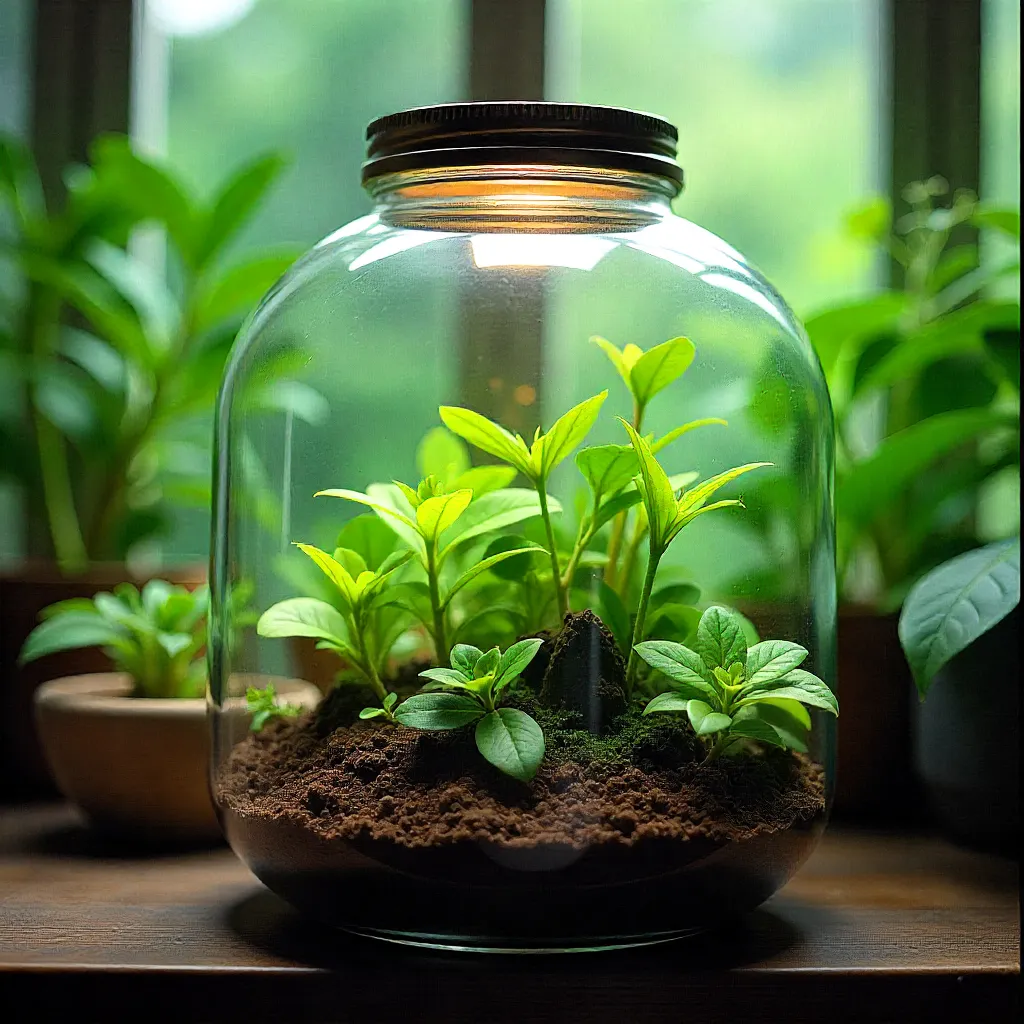
Maintaining ecological balance within your indoor environment supports natural pest resistance. Diverse plant communities create complex interactions that naturally limit pest populations.

Understanding the relationships between plants, beneficial organisms, and potential pests enables creation of self-regulating systems. This approach reduces intervention frequency while maintaining collection health.

Ongoing Research Integration

Our protocols evolve through continuous research review and field observations. We integrate findings from botanical studies, entomological research, and organic agriculture practices.

Staying current with scientific developments ensures our recommendations reflect the most effective and safe methods available. This commitment to evidence-based practice benefits your collection.

Research and development